
'%3e%3cpath%20fill-rule='evenodd'%20clip-rule='evenodd'%20d='M19%208.5C24.799%208.5%2029.5%2013.201%2029.5%2019C29.5%2024.6782%2024.9928%2029.3036%2019.361%2029.4939L19%2029.5C18.8794%2029.5%2018.7592%2029.498%2018.6396%2029.4939L18.2811%2029.4758C12.8174%2029.1063%208.5%2024.5574%208.5%2019C8.5%2013.201%2013.201%208.5%2019%208.5ZM22.3063%2010.6267L22.2342%2010.6539C21.3423%2011.0061%2020.5541%2011.6368%2020.5606%2012.4987C20.5631%2012.8302%2020.869%2014.8871%2020.2141%2014.8486C19.5589%2014.8102%2019.413%2013.8753%2018.7116%2013.616C17.5944%2013.2026%2016.9819%2014.3401%2017.0939%2015.3106C17.1695%2015.9655%2018.9289%2018.3871%2017.9028%2019C17.292%2019.3651%2015.7279%2017.5692%2015.1007%2017.1842C14.4805%2016.8034%2013.2758%2017.3333%2012.4974%2016.7029C11.9874%2016.2899%2012.3881%2014.4098%2012.2786%2013.8372C12.2271%2013.5698%2012.1155%2013.3689%2011.9794%2013.2166L12.0402%2013.2934C10.7653%2014.8464%2010%2016.8339%2010%2019C10%2023.8465%2013.8307%2027.7982%2018.6295%2027.9925L18.6769%2027.9747C18.8597%2027.8677%2019.0394%2027.7557%2019.216%2027.6387C19.4137%2027.4534%2019.5436%2027.2072%2019.5849%2026.9394C19.8806%2025.1222%2018.3616%2025.4302%2017.9367%2024.5622C17.5489%2023.7695%2018.5712%2023.7684%2018.5524%2021.7923C18.4607%2021.1774%2018.5279%2020.547%2018.7211%2020.0315C19.1834%2018.7987%2020.7077%2017.2643%2022.5889%2018.0081C23.5567%2018.3906%2023.1524%2019.9831%2023.4737%2020.3394C24.251%2021.2018%2025.3228%2020.6863%2026.2856%2021.2253C26.7816%2021.5032%2026.9797%2022.41%2027.056%2023.2248L27.038%2023.0528C27.6534%2021.8348%2028%2020.4579%2028%2019C28%2015.1968%2025.6409%2011.9445%2022.3063%2010.6267Z'%20fill='%23757575'/%3e%3ccircle%20cx='19'%20cy='19'%20r='10.125'%20stroke='%23757575'%20stroke-width='2.25'/%3e%3c/g%3e%3cdefs%3e%3cclipPath%20id='clip0_1827_14613'%3e%3crect%20width='24'%20height='24'%20fill='white'%20transform='translate(7%207)'/%3e%3c/clipPath%3e%3c/defs%3e%3c/svg%3e)


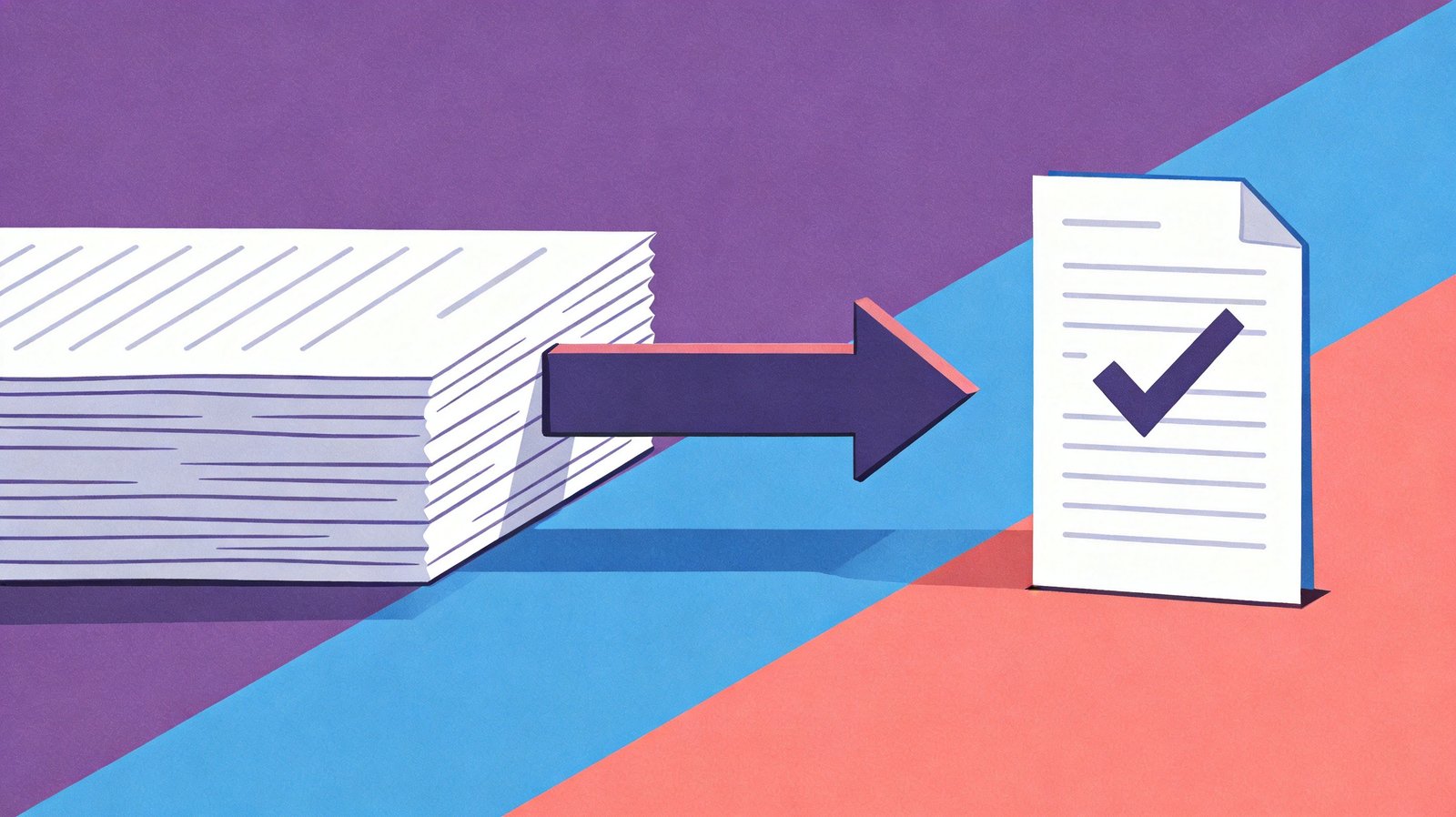
TLDR means too long; didn't read. It's the internet's way to summarize a wall of text. Here's what tldr means and how to use it politely.
TLDR Meaning: Quick Answer
TLDR means too long; didn't read. Five quick examples:
- “TL;DR: we got the funding”
- “tldr — the update broke the login button”
- “that's a lot of text, tldr please”
- “TL;DR version: just back up your files”
- “here's the tl;dr for the whole thread”
Definition and Origin
TLDR (or TL;DR) stands for too long; didn't read. It's a label for a short summary of a long message — either a polite one-liner you add at the end, or a blunt reply when someone dumps a wall of text.
TL;DR grew out of early-2000s forums like Something Awful and Reddit, where users would flag lengthy posts with “too long; didn't read.” Over time it flipped from an insult into a helpful convention: writers now add their own “TL;DR” summary at the end of long posts.
How to Use TLDR in Chats and Texts
- ““TL;DR — the meeting is moved to Thursday.””
- ““I wrote a whole thing, but tl;dr: I'm not going.””
- ““Tl;dr the new policy only affects contractors.””
Variations and Related Terms
- TL;DR — the same thing with a semicolon — the classic, slightly more formal spelling
- TLDW — too long; didn't watch — for videos
- TLDR version — the short version of a story or post
Social Media and Meme Usage
Reddit popularized TL;DR as a courtesy: a good long post ends with a one-line summary. In work chats and email threads, adding your own TL;DR is a genuinely useful, respected move — it saves everyone time.
Common Mistakes and Etiquette
- R
- e
- p
- l
- y
- i
- n
- g
- “
- t
- l
- d
- r
- ”
- t
- o
- s
- o
- m
- e
- o
- n
- e
- '
- s
- t
- h
- o
- u
- g
- h
- t
- f
- u
- l
- p
- o
- s
- t
- —
- i
- t
- c
- a
- n
- r
- e
- a
- d
- a
- s
- d
- i
- s
- m
- i
- s
- s
- i
- v
- e
- .
- U
- s
- i
- n
- g
- t
- l
- d
- r
- i
- n
- f
- o
- r
- m
- a
- l
- d
- o
- c
- u
- m
- e
- n
- t
- s
- .
- W
- r
- i
- t
- i
- n
- g
- a
- T
- L
- ;
- D
- R
- t
- h
- a
- t
- '
- s
- n
- e
- a
- r
- l
- y
- a
- s
- l
- o
- n
- g
- a
- s
- t
- h
- e
- o
- r
- i
- g
- i
- n
- a
- l
- .
How to Use TLDR Like a Pro
- End long messages with “TL;DR:” plus one clear sentence.
- Put the summary first if you want people to actually read it.
- Use “TLDR please” politely when someone shares a wall of text.
- Keep the summary to one or two sentences — that's the point.
TLDR Meaning: FAQs
What does tldr mean in text?
TLDR means “too long; didn't read.” It's used to summarize a long message, or to ask for a shorter version of one.
Is it tldr or tl;dr?
Both are common. TL;DR (with a semicolon) is the classic spelling; tldr is the faster, all-lowercase version.
Is saying tldr rude?
Replying “tldr” to someone's post can sound dismissive. Adding your own TL;DR summary to your own writing is helpful, not rude.
What does tldr mean in email?
In email or work chat, a TL;DR is a one-line summary of a longer message — a courtesy that saves the reader time.
Trusted Sources for the TLDR Meaning
The Bottom Line
TL;DR went from an insult to a courtesy: now the polite move is to write your own one-line summary. Add a TL;DR to anything long, and everyone after you will thank you.