'%3e%3cpath%20fill-rule='evenodd'%20clip-rule='evenodd'%20d='M19%208.5C24.799%208.5%2029.5%2013.201%2029.5%2019C29.5%2024.6782%2024.9928%2029.3036%2019.361%2029.4939L19%2029.5C18.8794%2029.5%2018.7592%2029.498%2018.6396%2029.4939L18.2811%2029.4758C12.8174%2029.1063%208.5%2024.5574%208.5%2019C8.5%2013.201%2013.201%208.5%2019%208.5ZM22.3063%2010.6267L22.2342%2010.6539C21.3423%2011.0061%2020.5541%2011.6368%2020.5606%2012.4987C20.5631%2012.8302%2020.869%2014.8871%2020.2141%2014.8486C19.5589%2014.8102%2019.413%2013.8753%2018.7116%2013.616C17.5944%2013.2026%2016.9819%2014.3401%2017.0939%2015.3106C17.1695%2015.9655%2018.9289%2018.3871%2017.9028%2019C17.292%2019.3651%2015.7279%2017.5692%2015.1007%2017.1842C14.4805%2016.8034%2013.2758%2017.3333%2012.4974%2016.7029C11.9874%2016.2899%2012.3881%2014.4098%2012.2786%2013.8372C12.2271%2013.5698%2012.1155%2013.3689%2011.9794%2013.2166L12.0402%2013.2934C10.7653%2014.8464%2010%2016.8339%2010%2019C10%2023.8465%2013.8307%2027.7982%2018.6295%2027.9925L18.6769%2027.9747C18.8597%2027.8677%2019.0394%2027.7557%2019.216%2027.6387C19.4137%2027.4534%2019.5436%2027.2072%2019.5849%2026.9394C19.8806%2025.1222%2018.3616%2025.4302%2017.9367%2024.5622C17.5489%2023.7695%2018.5712%2023.7684%2018.5524%2021.7923C18.4607%2021.1774%2018.5279%2020.547%2018.7211%2020.0315C19.1834%2018.7987%2020.7077%2017.2643%2022.5889%2018.0081C23.5567%2018.3906%2023.1524%2019.9831%2023.4737%2020.3394C24.251%2021.2018%2025.3228%2020.6863%2026.2856%2021.2253C26.7816%2021.5032%2026.9797%2022.41%2027.056%2023.2248L27.038%2023.0528C27.6534%2021.8348%2028%2020.4579%2028%2019C28%2015.1968%2025.6409%2011.9445%2022.3063%2010.6267Z'%20fill='%23757575'/%3e%3ccircle%20cx='19'%20cy='19'%20r='10.125'%20stroke='%23757575'%20stroke-width='2.25'/%3e%3c/g%3e%3cdefs%3e%3cclipPath%20id='clip0_1827_14613'%3e%3crect%20width='24'%20height='24'%20fill='white'%20transform='translate(7%207)'/%3e%3c/clipPath%3e%3c/defs%3e%3c/svg%3e)


Introduction
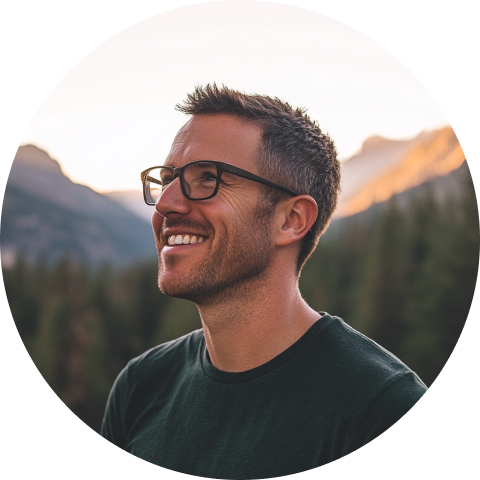
A professional headshot used to mean booking a studio, picking an outfit weeks ahead, and waiting for proofs. Today, an AI generator can produce a usable portrait for LinkedIn, a resume, a speaker bio, or a company directory in about a minute — for a fraction of the cost. Research backs up why it matters: professional profiles with a high-quality photo get significantly more views on LinkedIn than those without.
But here's the catch. The result is only as good as the prompt. A vague request returns a generic, unmistakably-AI face. A prompt that names the attire, background, lighting, and expression returns something you'd actually put on your profile. This guide shares the best AI prompts for professional headshots, the formula behind them, and the mistakes that make AI portraits look fake.
Key Takeaways
- The winning formula has four parts: outfit, background, lighting, and expression — name all four and you get a polished, realistic result.
- The goal is to look like a polished, recognizable version of you — not a different person. Protect your real features.
- Use "negative prompts" to avoid the AI-fake look: no over-smoothing, no unrealistic skin, no costume-like clothing.
- One good photo yields many styles: LinkedIn, resume, corporate directory, and speaker-bio variants in one session.
Why Your Headshot Prompt Matters
Your online avatar is often your first impression. Recruiters, clients, and collaborators meet your profile picture before they meet you, and a professional photo signals credibility before you say a word. On platforms like LinkedIn, a strong headshot can multiply your profile's visibility.
A good AI headshot prompt turns a selfie into a polished business portrait while keeping it recognizable and natural. The difference between a believable portrait and an AI-fake one almost always comes down to the prompt. If you describe the person, the clothing, the room, and the light, you get a portrait that looks intentional. If you don't, the model guesses — and guesses tend to look generic and plastic.
The Headshot Prompt Formula
Use this reusable structure and fill in the blanks:
Subject. "A professional portrait of [your gender/age/appearance], based on this photo."
Outfit. "Wearing [specific clothing], e.g. a navy suit with a crisp white shirt."
Background. "On a [color/texture] background, e.g. a smooth blurred light-gray studio background."
Lighting. "Lit with [type], e.g. soft diffused studio lighting with a gentle key light."
Expression. "Looking at the camera with a [calm, confident, approachable] expression and a subtle smile."
Negative instructions. "Keep my real facial features; do not over-smooth skin, do not make me look like a different person, no AI-fake look."
Chain them into one clear paragraph and you're most of the way to a great headshot.
Best AI Prompts for Professional Headshots
Here are copy-and-paste prompts for the most common professional contexts. Swap the bracketed details for your own.
1. Classic LinkedIn Headshot
The go-to corporate look that reads professional and trustworthy.
A professional studio headshot of [your appearance] based on this photo. Wearing a [navy/gray] suit with a crisp white shirt. Smooth blurred [light-gray] studio background. Soft diffused lighting with a gentle key light. Head-and-shoulders framing, looking at the camera with a calm, confident, approachable expression and a subtle smile. Keep my real facial features — no over-smoothing, no AI-fake look.
This is the template most people should start with. It balances polish and approachability, and the explicit "no AI-fake look" keeps the result believable.
2. Executive / Boardroom Portrait
For leadership, consulting, and management roles that want authority.
A polished executive portrait of [your appearance] based on this photo. Wearing a tailored [dark] suit with a subtle tie, crisp and well-fitted. Neutral [warm-gray] background with soft gradient. Classic professional studio lighting. Head-and-shoulders, direct confident eye contact, composed and authoritative but warm expression. Preserve my real identity and natural skin texture.
The key here is "direct confident eye contact" and "composed but warm" — the balance between authority and approachability that executive portraits need.
3. Creative / Casual Professional
For designers, marketers, and startups that want polish without a suit.
A friendly professional headshot of [your appearance] based on this photo. Wearing a smart-casual [color] top or blazer. Bright, soft daylight with a warm tone. Simple [color] background. Slightly candid, relaxed smile, looking at the camera. Keep my face natural and recognizable.
For creative industries, "slightly candid, relaxed smile" and smart-casual attire signal approachability while staying professional.
4. Healthcare / Trusted Professional
For doctors, therapists, advisors, and client-facing roles that need warmth.
A warm, trustworthy professional headshot of [your appearance] based on this photo. Wearing clean professional attire such as a [scrubs / blazer]. Soft, even, flattering lighting. Calm, reassuring, genuine smile with direct eye contact. Neutral [color] background. Natural and authentic appearance.
"Genuine smile" and "reassuring" are the emotional cues that build trust in client-facing and care professions.
5. Resume / Academic Headshot
A clean, simple portrait suited to CVs and academic profiles.
A clean, simple professional headshot of [your appearance] based on this photo. Neutral solid background, even front lighting, head-and-shoulders framing, professional but not overdressed attire. Neutral friendly expression. Crisp and natural, minimal retouching.
For resumes and academic profiles, "minimal retouching" and a neutral background keep the focus on you and your credentials rather than the styling.
6. Brand / Personal Website Portrait
A distinctive image for your personal brand that feels like "you."
A branded professional portrait of [your appearance] based on this photo that reflects my personality as a [role/niche]. Wearing [your style]. Choose a background that fits my brand, such as [office / city / studio]. Natural, confident expression, high-quality commercial look, still clearly recognizable as me.
For personal brands, the background and styling carry your niche. Naming a background that fits your field helps the image feel like a deliberate brand asset, not a generic stock portrait.
Avoiding the "AI Fake" Look
Nothing hurts a professional image faster than an obviously generated face. Here's how to keep it real.
Protect your real features. Tell the AI to keep your face shape, skin tone, hairline, and distinctive features. This is the single most important line in any headshot prompt.
Reject over-smoothing. Say "do not over-smooth skin" and "keep natural skin texture." Plastic, airbrushed skin is a dead giveaway.
Ban the retouched glow. Add "no heavy filters, no glossy look, no AI-fake appearance" to the negative instructions.
Use a good source photo. A clear, front-facing, well-lit selfie gives the model enough detail to preserve who you are. Blurry or side-lit source photos invite the model to improvise.
Check consistency across variants. If you generate several styles, make sure each one still looks like the same person before you use it anywhere public.
Frequently Asked Questions
Can AI headshots really replace a professional photographer?
For most online uses — LinkedIn, resumes, company directories, speaker bios — yes, a well-prompted AI headshot is more than good enough, and it costs far less than a studio session. For high-stakes executive or editorial needs, a photographer may still be worth it.
How many photos do I need?
Usually one clear, front-facing, well-lit selfie is enough to generate a professional headshot. Some tools work even better with a few photos of the same person for consistency.
Why do AI headshots sometimes look fake?
Because the model over-smooths skin, idealizes the face, or defaults to a generic "AI face." Fix it by explicitly protecting your real features and rejecting retouched skin in the prompt.
Are AI headshots okay for LinkedIn and resumes?
Yes, as long as the result is a polished, realistic version of you — not an idealized stranger. Keep it natural, recognizable, and professional, and you're fine.
Conclusion: Get a Professional Headshot in Minutes
You no longer need a studio or a big budget to look professional online. With the right prompt, an AI generator turns one good selfie into a polished, recognizable headshot for LinkedIn, your resume, your company directory, and your personal brand.
Start with the six prompts above — the classic LinkedIn look, executive, creative, healthcare, resume, and brand portraits. Name your outfit, background, lighting, and expression, and always protect your real features. With a little iteration, you'll have a set of professional headshots in minutes that make the right first impression.